
Repeatable AI Face Generation for Virtual Influencers - Best Practices & Solutions
Virtual influencers are increasingly popular in digital marketing due to their potential to engage audiences with consistent and lifelike content. However, achieving repeatable AI face generation can be a challenge. This guide will help AI agencies and virtual influencer managers ensure that the faces generated by AI models like Stable Diffusion and LoRA training are consistent across multiple runs.
Causes
- Variability in prompt structure and wording.
- Differences in seed values.
- Inconsistent CFG (Classifier-Free Guidance) scale settings.
- Lack of optimization in LoRA training parameters.
Solutions
- Define a standardized prompt structure. Use a template that includes clear instructions about the desired characteristics such as hairstyle, makeup, and clothing.
- Establish seed values for consistent face generation. Ensure these values are stored and reused across multiple runs to maintain consistency.
- Optimize CFG scale settings. Experiment with different CFG scales to find the optimal value that balances realism and uniqueness.
- Regularly update and refine LoRA models based on user feedback and performance metrics to improve face consistency over time.
Best Practices
- Document all used parameters for each generation run.
- Create a template library for different styles and moods of virtual influencers.
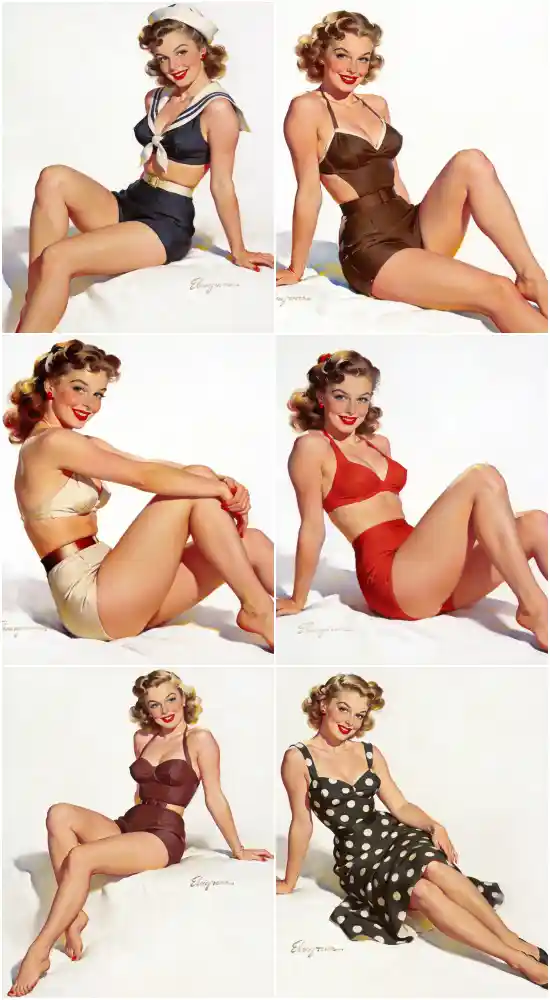
- Train models that are specialized in generating specific types of faces (e.g., vintage pin-up, futuristic tech-look).
- Implement feedback loops to continuously improve the AI's performance and output.
Common Mistakes
- Ignoring variability in prompt inputs.
- Using random seed values each time without consistency tracking.
- Sporadic CFG scale adjustments leading to inconsistent outputs.
- Failing to update and retrain AI models over time.
FAQ
- Q: What is the proper CFG scale for face consistency?
Try starting with a CFG scale of 3 or 4, then adjust based on the specific needs and output quality requirements. - Q: How often should I update my AI model's training parameters?
Update models every six months to a year to maintain high-quality results and adapt to new design trends. - Q: Can I use multiple LoRA prompts for generating the same type of face?
Avoid using drastically different prompts; instead, create variations within a consistent framework to ensure overall coherence in your virtual influencer.
Featured Resource - Vintage Pin-Up Girl AI Prompt
- Premium vintage pin-up girl template for Virtual Influencers.
- Classic Hollywood style illustration, ideal for retro glamour posters and marketing campaigns.
- High-quality output suitable for commercial use without any attribution needed.
- Includes customizable features to fine-tune the generated face's appearance according to your specific needs.
In conclusion, by implementing these best practices and solutions, you can achieve more consistent and reliable AI face generation for virtual influencers. Whether using Stable Diffusion or LoRA training, maintaining a solid process will ensure that every generated face aligns with your brand identity and aesthetic goals. The Vintage Pin-Up Girl AI Prompt is an excellent resource to enhance the consistency of your virtual influencer creations.