
Mastering AI Identity Assets with Stable Diffusion and LoRA Training
As the digital landscape evolves, creating a memorable and effective virtual identity becomes paramount. Whether you're an AI agency, a generative AI user, or a virtual influencer manager, understanding how to refine your AI-generated assets can greatly enhance your brand's presence online. This guide will walk you through common issues, actionable solutions, best practices, mistakes to avoid, and more.
Causes
- Poorly defined prompts leading to inconsistent results
- Inadequate training data affecting the quality of generated outputs
- Lack of attention to detail in defining the virtual influencer's identity
- Failing to balance CFG scale for optimal naturalness and diversity
- Ignoring seed values, resulting in unexpected variations between runs
Solutions
- Define Clear Prompts: Use structured language that clearly defines the desired outcome, including specific clothing styles, hair colors, and other attributes.
- Increase Training Data Quality: Ensure your training data is diverse and representative of the target audience for more consistent outputs.
- Refine Virtual Identity: Establish a clear brand voice and aesthetic that can be consistently applied across different mediums.
- Tweak CFG Scale: Experiment with different settings to achieve the desired balance between naturalness and diversity in your AI-generated content.
- Carefully Choose Seed Values: Use consistent seed values for experiments or continuous, uniform outputs; vary them when you need random variations.
Best Practices
- Schedule Regular Audits: Periodically review your AI-generated content to ensure consistency and relevance.
- Test Different Scenarios: Use varied prompts and training datasets to identify what works best for your brand.
- Leverage Community Feedback: Engage with your target audience to gather insights that can improve the AI's output.
Common Mistakes
- Ignoring Training Data Quality: Poor data leads to poor results. Always ensure high-quality input for accurate outputs.
- Inconsistent Prompts: Varying prompts can lead to inconsistent branding and identity representation.
- Lack of Experimentation: Relying too heavily on default settings without trying different CFG scale or seed values may limit creative potential.
FAQ
- Q: How do I ensure consistent branding with AI-generated content?
- Q: What should I consider when tweaking CFG scale values?
- Q: How can AI-generated assets be useful for virtual influencer marketing campaigns?
A: Define clear, specific prompts and maintain a cohesive visual style across all platforms. Regularly review your outputs to ensure consistency.
A: Adjust the CFG scale to balance between naturalness and variability in output. Higher values increase diversity, while lower values tend toward more natural imagery.
A: They provide a scalable and consistent approach to creating visual content that aligns with the influencer's brand identity. This enhances engagement and reaches across various digital channels efficiently.
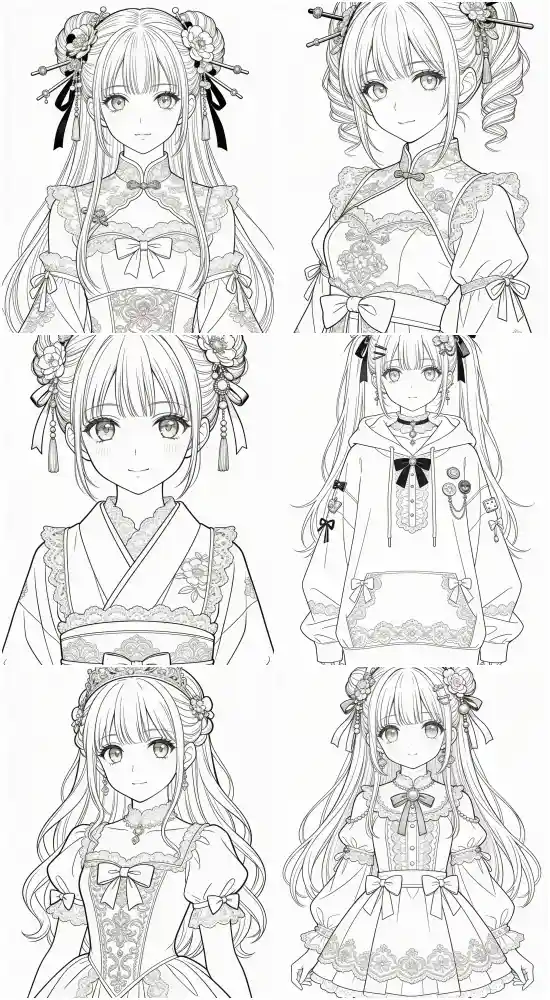
Featured Resource: Anime Girls Coloring Page Generator Prompt
- Premium AI-Influencer Assets: Offers high-quality, customizable resources for creating engaging virtual identities.
- Diverse Themes: Choose from 50 unique themes to cater to different audiences and trends.
- Unlimited Printability: Create endless manga line art without limitations on prints or colors.
- No Black Fill System: Simplify your design workflow with a user-friendly interface that avoids automatic black fills, leading to cleaner outputs.
In conclusion, mastering AI identity assets requires a blend of technical know-how and creative vision. By addressing the challenges head-on and using the right tools, you can create compelling virtual influencers and generative models that resonate with your target audience. Embrace these practices and resources, and watch your digital presence grow.