
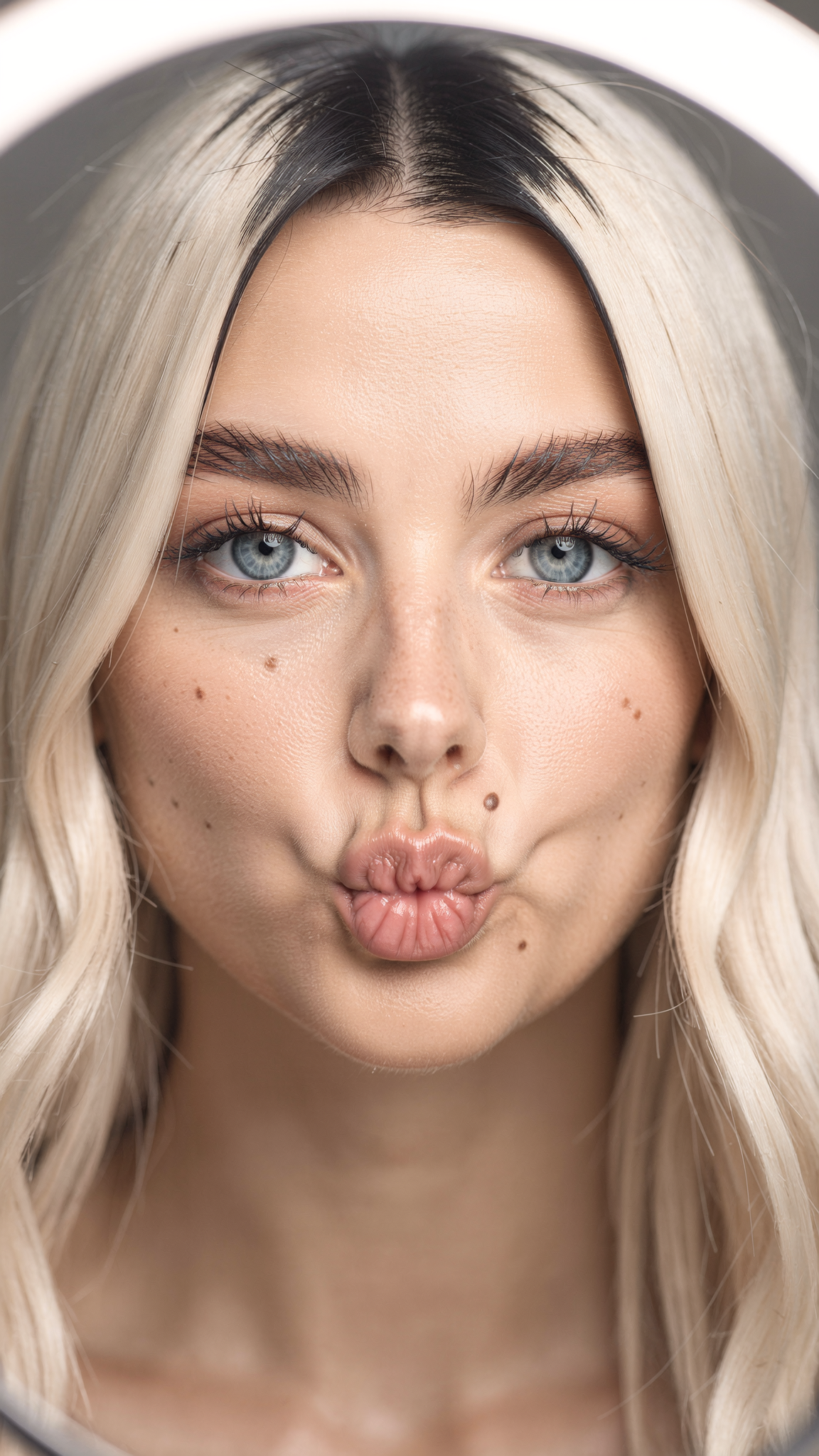
Virtual influencers are AI-generated digital personas used for brand marketing and content creation, and LoRA training services enhance their consistency by locking in specific facial features and styles across multiple outputs. This ensures that virtual influencers maintain the same recognizable identity in videos, images, and social media content, which is critical for audience engagement and brand trust.
How LoRA Training Improves Character Consistency
LoRA (Low-Rank Adaptation) fine-tunes AI models to preserve key visual traits of a virtual influencer. By training on a curated dataset of the character's face and style, LoRA ensures that every generated image or video maintains the same proportions, expressions, and aesthetic. This is especially important for virtual influencers who need to appear identical across Instagram Reels, TikTok videos, and other platforms.Benefits for Virtual Influencer Campaigns
- Maintains visual identity across different AI-generated content
- Reduces the need for manual editing or corrections
- Enables faster content production at scale
- Supports white label and agency-ready content solutions
LoRA vs Traditional Prompting for Consistency
Traditional prompting relies on text descriptions to guide AI image generation, but results can vary due to model randomness. LoRA training, on the other hand, embeds the character's features directly into the model, producing near-identical outputs every time. This makes LoRA ideal for brands that require strict visual consistency in their virtual influencer campaigns.Integration with Content Creation Workflows
LoRA models can be integrated into popular AI art generators and video tools, allowing creators to produce consistent content without switching platforms. This streamlines workflows for agencies and content teams managing multiple virtual influencers or digital avatars.Applications in Social Media and Web3 Marketing
Consistent virtual influencers are valuable for social media growth, metaverse activations, and Web3 brand storytelling. LoRA-trained characters can appear in NFTs, virtual events, and cross-platform campaigns without breaking immersion or visual coherence.Scaling Virtual Influencer Production
With LoRA, agencies can replicate successful virtual influencer identities across campaigns, reducing production time and costs. This scalability is key for brands looking to expand their digital presence with multiple AI-generated personas.Choosing the Right LoRA Training Service
When selecting a LoRA training provider, consider the quality of their training datasets, turnaround time, and compatibility with your preferred AI tools. High-quality LoRA models should produce consistent results across different poses, lighting conditions, and expressions.Best Practices for LoRA Training
- Use high-resolution source images for training
- Include diverse expressions and angles
- Test outputs across multiple AI platforms
- Regularly update the model to reflect new content needs
Future of LoRA in Virtual Influencer Development
As AI video generation and real-time rendering improve, LoRA training will become even more essential for maintaining character consistency in dynamic, interactive virtual influencer experiences. This technology is expected to play a central role in the growth of the virtual influencer industry.Emerging Trends in AI Character Consistency
- Real-time LoRA adaptation for live virtual events
- Cross-platform character synchronization
- Integration with motion capture and 3D rendering tools