
From Concept to Reality: How Start AI Automation Agencies Can Monetize Digital Twin Creation
As the digital landscape evolves, creating a digital twin—a virtual representation of a real-world object or person—has become an exciting frontier for AI automation agencies. This technique is particularly relevant in industries such as fashion, entertainment, and marketing due to its potential to enhance engagement and streamline operations. However, transforming conceptual ideas into marketable digital twins requires a deep understanding of the technical aspects and strategic insights.
Causes
- Lack of comprehensive understanding of generative models and their capabilities.
- Inaccuracies in initial concepts due to poor technical execution or insufficient data inputs.
- Hesitancy to adopt new technologies, such as LoRA training, which can significantly improve digital twin quality.
Solutions
- Equip your team with the latest knowledge on generative models and tools like Stable Diffusion. Regularly update their skills through workshops and training programs.
- Utilize LoRA (Low-Rank Adaptation) for fine-tuning digital twins, enhancing realism without extensive retraining.
- Create detailed prompt structures that guide AI in generating accurate and consistent outputs. Experiment with parameters such as CFG scale and seed values to achieve desired results.
Best Practices
- Engage in thorough pre-production planning, including research on the target audience and desired aesthetic elements.
- Collect high-quality data and use it to train your models more accurately. This ensures that the digital twin behavior and appearance are lifelike and engaging.
- Prioritize feedback loops with clients throughout the development process to make iterative improvements based on their input. Regularly review and refine the model's outputs using user testing or mockups.
Common Mistakes
- Failing to understand the importance of prompt structure in achieving accurate results from AI models.
- Not leveraging advanced techniques like LoRA training, which can drastically improve output quality with minimal effort.
- Lack of client communication and feedback mechanisms leading to misaligned expectations or final products that underperform commercially.
Frequently Asked Questions (FAQ)
- Q: How do I ensure the digital twin looks consistent across different platforms?
Incorporate a well-defined aesthetic plan from the start and use consistent image editing techniques to maintain uniformity. - Q: What is CFG scale, and why should I care about it?
CFG (Classifier-Free Guidance) scale influences how closely the AI follows the given prompt. Proper tuning can help balance fidelity with creativity in your digital twins. - Q: How long does it typically take to create a high-quality digital twin from scratch?
The timeline varies based on complexity and resources but can range from several weeks to months, depending on the quality expected and iterations needed.
Featured Resource
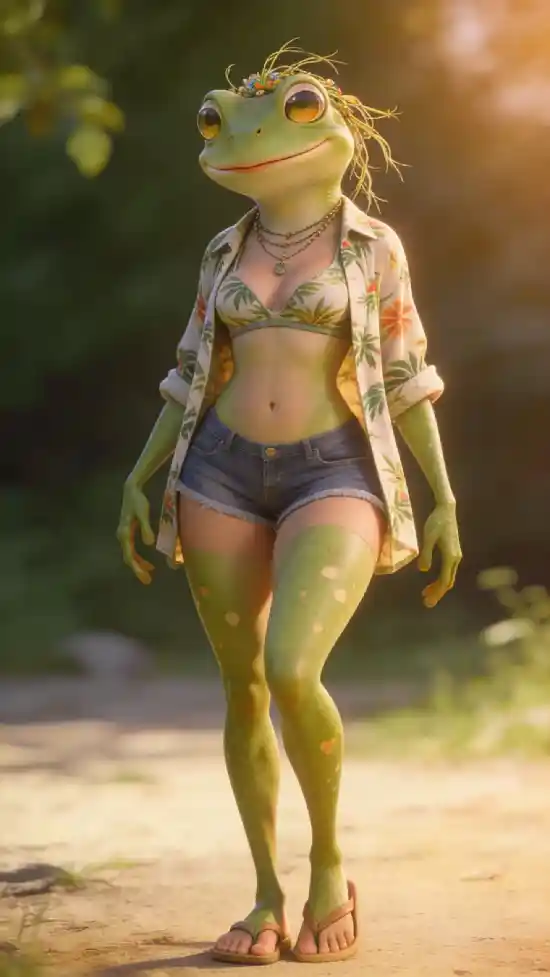
- Name: Frog Female - Goblincore AI Identity Kit | Quirky Virtual Girl Model
- Description:
A premium package of AI-generated identities designed to captivate audiences. These quirky virtual girls cater to diverse industries, offering a perfect mix of indie fashion and cottagecore aesthetics.- Perfect for branding on platforms like TikTok with predefined models.
- Educational materials included to help agencies understand best practices in generating digital twins.
- Paid commercial license ensures that you can leverage these AI assets without copyright concerns.
In conclusion, transforming conceptual ideas into marketable digital twins requires a blend of technical expertise and strategic foresight. By understanding the causes behind common pitfalls and adopting best practices, start AI automation agencies can successfully monetize this exciting technology while delivering value to their clients.