
AI Generated Influencers: Overcoming Challenges with Effective Generative Models
As AI agencies, virtual influencer managers, and generative AI users continue to explore the potential of AI-generated influencers, one common issue stands in the way: inconsistency and low-quality outputs. This can undermine your efforts in digital marketing campaigns or creative projects. Let's dive into why this problem arises and how you can mitigate it with practical solutions.
Causes
- Lack of Fine-tuning: Insufficient LoRA training, leading to unstable or low-quality outputs.
- Poor Prompt Structure: Unclear or incorrectly structured prompts can result in distorted or irrelevant content.
- Inadequate CFG Scale and Seed Values: Improper CFG scaling and seed management contribute significantly to the final image quality and consistency issues.
Solutions
- Fine-tune LoRA Models: Ensure thorough LoRA training with diverse datasets for better output consistency.
- Enhance Prompt Structure: Develop a standardized prompt structure that clearly conveys the desired elements and style.
- Optimize CFG Scale and Seed Values: Experiment to find the optimal CFG scale and seed values for your specific use case, ensuring high-quality outputs.
Best Practices
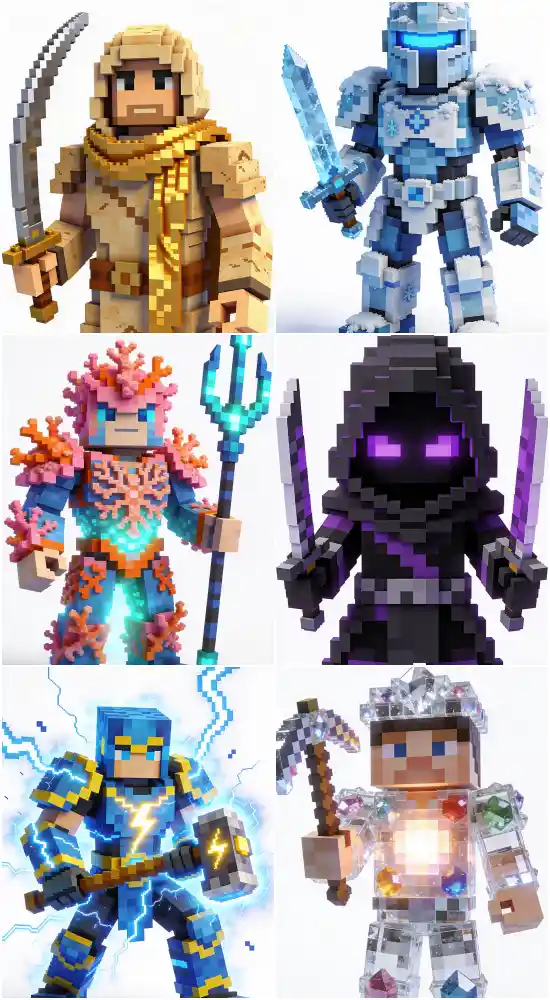
- Use Quality AI Tools: Leverage advanced tools like ours for consistent output generation. For instance, our Minecraft Style 3D Pixel Character Prompt Template is designed to help you create premium influencer assets and tools.
- Regularly Update and Improve Models: Keep your generative models updated with the latest techniques and data.
- Conduct User Testing: Regular feedback from actual users can provide insights into improving model outputs further.
Common Mistakes
- Misunderstanding LoRA Training Requirements: Not allocating enough resources to proper training can lead to suboptimal results.
- Ignoring Prompt Consistency: Inconsistent or poorly defined prompts can result in a wide range of unpredictable outputs.
- Failing to Monitor Model Performance: Without regular monitoring and analysis, subtle performance issues may go unnoticed, leading to overall degradation.
FAQ
- Q: How can I ensure consistent quality in AI-generated influencer images? A: By fine-tuning models with appropriate LoRA training and using well-structured prompts. Regular testing and feedback will also help maintain high standards.
- Q: What role does CFG scale play in generative models for influencers? A: The CFG scale influences the variability of outputs; setting it too low can lead to predictable results, while setting it too high may introduce noise. Fine-tuning this value is key to achieving good balance.
- Q: Can seed values help in generating more consistent images for AI influencers? A: Absolutely! Properly managing seed values ensures that similar prompts yield similar outputs across runs, enhancing consistency and reliability in your projects.
Featured Resource - Minecraft Style 3D Pixel Character Prompt Template
- Premium Assets: High-quality, customizable 3D character designs ideal for creating pixel-style influencers.
- Fantasy RPG Themes: A wide range of fantasy-inspired skins and outfits to bring your influencer characters to life.
- White Background Renders: Clean renderings ready for immediate use, ensuring a professional final product.
In conclusion, overcoming the challenges in AI-generated influencer content involves understanding the underlying causes and implementing strategic solutions. By following best practices and staying vigilant against common mistakes, you can harness the full potential of generative models to produce high-quality, consistent outputs for your digital marketing strategies.