
No-Hallucination Faces: Solving Challenges with Advanced Generative Models
Ensuring that generated images accurately represent real-world subjects is crucial for virtual influencers and the wider field of digital marketing. This blog post will guide you through common issues associated with no-hallucination faces in generative models, providing actionable solutions to tackle these problems effectively.
Causes
- Insufficient training data leading to misinterpretations by the model
- Inadequate prompt structure affecting the guidance of text-to-image outputs
- Different optimization techniques yielding suboptimal results, such as unbalanced CFG scale or poor seed value selection
Solutions
- Invest in Quality Training Data: Use high-resolution images and ensure a diverse dataset that covers a wide range of face types and expressions.
- Prompt Optimization: Refine your prompts to provide clear, detailed instructions. For instance, use “no-hallucination” as a keyword in your prompt to guide the model towards more realistic outputs.
- LoRA Training: Fine-tune the model using LoRA (Low-Rank Adaptation) techniques to specifically address misinterpretations and hallucinations. This can help target specific issues directly in your generated content.
- CFG Scale Adjustment: Monitor and adjust the CFG scale during training phases to ensure that the model remains grounded in reality, reducing the risk of unrealistic outputs.
Best Practices
- Regularly evaluate generated content for inconsistencies and make necessary adjustments in your processes.
- Collaborate with experienced AI trainers who can offer insights into optimizing model behaviors and generating realistic outputs.
- Utilize best practices from the community, such as sharing and learning from case studies of successful no-hallucination face projects.
Common Mistakes
- Failing to adjust CFG scale after initial training, leading to unrealistic outputs.
- Ignoring fine-tuning techniques like LoRA, which could significantly improve model performance and reduce hallucinations.
- Misunderstanding the importance of prompt refinement, resulting in lackluster or inaccurate results.
FAQ
- Q: Can CFG scale really make a difference? Yes, adjusting the CFG scale can help keep your model grounded and reduce hallucinations in outputs.
- Q: Are there any tools that can simplify LoRA training? Many AI communities offer pre-built solutions for LoRA training. They can streamline the process without needing deep technical expertise.
- Q: How do I refine my prompts effectively? Start by providing clear, detailed instructions and use keywords like “no-hallucination” to explicitly guide the model towards accurate outputs.
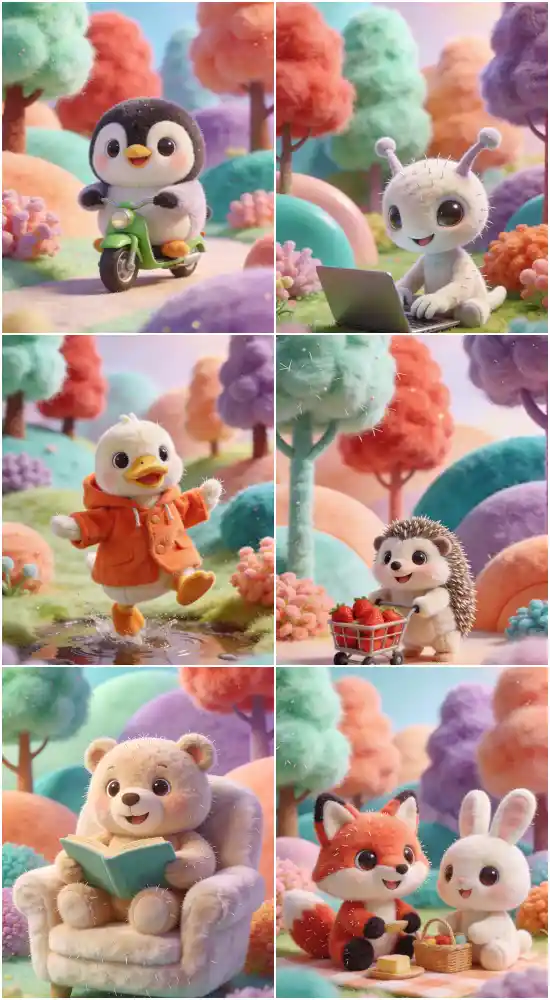
Featured Resource: Fluffy 3D Fantasy Character AI Prompt
- Premium quality digital influencer assets for a whimsical toy style illustration template.
- Cute, pastel-fuzzy animal generator perfect for virtual influencers and generative model projects.
- Available for immediate digital download to enhance your AI-driven content creation workflow.
In conclusion, addressing no-hallucination faces in generative models requires a combination of quality data, proper training techniques, and prompt optimization. By following the outlined solutions and best practices, you can create more accurate and desirable outputs, elevating both virtual influencers and digital marketing strategies.