
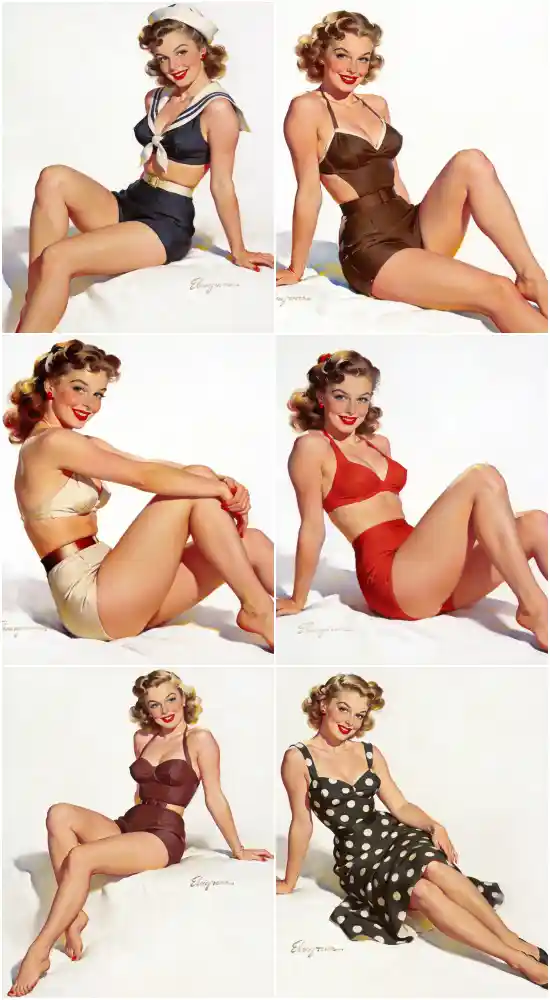
Maximizing Value of Computer Generated Influencers with Stable Diffusion & Vintage Pin-Up Templates
Computer generated influencers have revolutionized the digital marketing landscape. However, creating engaging content requires a strategic approach using tools like stable diffusion and advanced generative models. This post aims to address common challenges and provide actionable solutions for AI agencies, virtual influencer managers, and generative AI users.
Causes
- Inadequate training data or model capabilities leading to underwhelming outputs.
- Poor prompt structure resulting in inconsistent and unpredictable results.
- Lack of optimization techniques such as LoRA (Low-Rank Adaptation) training for specific applications.
Solutions
- Refine your model with additional training data: Ensure you have diverse, high-quality datasets to enhance the learning curve of your generative models.
- Use proper prompt structure: Clear and detailed prompts can significantly improve output quality. Consider parameters like CFG scale (Conditional Guidance Scale) for better control over the generation process.
- Implement LoRA training: Use Low-Rank Adaptation to fine-tune models specifically for virtual influencer projects, optimizing performance without additional large datasets.
Best Practices
- Select appropriate CFG scale values: Experiment with different levels of conditional guidance to achieve the desired tone and style in your outputs.
- Pay attention to seed values: Consistent use of seed values can ensure reproducibility across multiple generations, providing a more seamless workflow.
- Incorporate vintage elements: Use templates like Vintage Pin-Up Girl AI prompt for added authenticity and aesthetic appeal in your virtual influencer visuals.
Common Mistakes
- Ignoing prompt guidelines: Failing to follow detailed instructions can lead to inconsistent or irrelevant results.
- Overlooking data quality: Poor training data leads to lower output quality and more errors in your AI content generation process.
- Failing to test different configurations: Not exploring various settings such as CFG scale, seed values, or LoRA adaptations can limit the potential of your models.
Frequently Asked Questions (FAQ)
- Q1: How important is prompt structure in generating high-quality virtual influencer content?
Prompt structure plays a crucial role. Detailed, clear prompts enhance the accuracy and quality of generated images.
- Q2: Can LoRA training significantly improve model performance for specific tasks like virtual influencers?
Yes, LoRA allows fine-tuning models to specific applications, significantly enhancing their effectiveness in generative tasks.
- Q3: What are the key steps in selecting and using vintage templates for AI-generated content?
Choose well-crafted templates that align with your brand’s aesthetic preferences. Consistency is key for effective use.
Vintage Pin-Up Girl AI Prompt - A Featured Resource
- 1950s Retro Glamour Style: Captures the classic charm and allure of vintage pin-up culture.
- Commercial Use Licensing: Suitable for a wide range of marketing and promotional materials, ensuring flexibility in application.
- Holistic Aesthetic Support: Offers not just templates but also guidance on optimizing content creation processes.
Closing Thoughts
Incorporating advanced techniques such as stable diffusion, LoRA training, and proper prompt structuring can significantly elevate the quality of your AI-generated influencer content. By adopting these strategies, you can not only meet but exceed expectations in the highly competitive field of digital marketing.